

“I think we have a choice to make”
–Dr. Elisabeth Reynolds, MIT Task Force
Summary
Welcome to episode no. 71! In this week’s episode, we discuss fatalism regarding the future of work and technology, and the changes in circumstances many of us might find ourselves in as technology advances. Are we overthinking things?
You might say, “Hey, we’ve seen this before—automation threatening jobs and livelihoods.” And you’d be right. Take ATMs: they didn’t wipe out bank tellers, but they did change what those jobs looked like. Of course, some smaller communities felt the hit when certain branches shut down. But what feels different this time is the insane amount of data being gathered and how fast AI is learning from it. It’s not just about simple tasks getting automated anymore—it’s the kinds of jobs that require real thinking. Just look at Sophia, the humanoid robot, who’s picking up on how to build relationships and even mimic facial expressions.
Just over a year ago, MIT assembled a Task Force on Work of the Future “in an attempt to understand the relationships between emerging technologies and work and to explore strategies to enable a future of shared prosperity.” In light of their recently released 2019 Fall Report, we asked Dr. Elisabeth Reynolds, Executive Director of the MIT Task Force, to join us to discuss where we stand on the future of work and whether we should be optimistic or cautious about what lies ahead.
About Dr. Elisabeth Reynolds
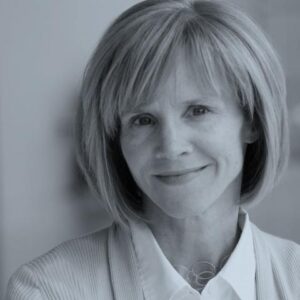
Dr. Elisabeth Reynolds is the executive director of the MIT Task Force and the MIT Industrial Performance Center. She is a Lecturer in Innovation and Economic Development and works on issues related to systems of innovation, regional economic development, and industrial competitiveness. Her current research focuses on the pathways that U.S. entrepreneurial firms take in scaling production-related technologies and advanced manufacturing, including the globalization of the biomanufacturing industry.
Lis holds an MSc in Economics from the University of Montreal and a Ph.D. in Urban and Regional Studies from MIT.